Sub Distribution Boards
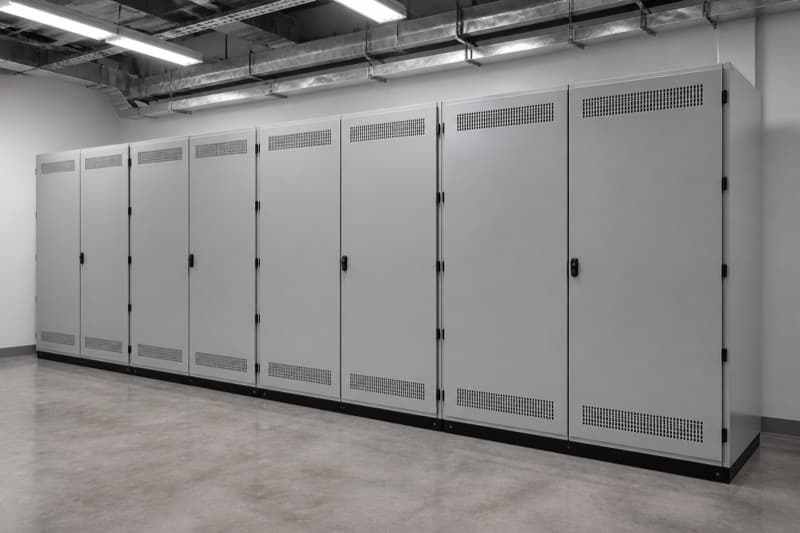
A sub distribution board (SDB) is the final panel between the main distribution board and the circuits feeding lighting, small power and local equipment on a floor or in a room. NLS Power sources SDBs built to IEC 61439-3, sized to the final circuit schedule and the form of separation a project's electrical spec calls for.
The sub distribution board is where the distribution chain finally reaches something a building occupant would recognize: lighting circuits, socket outlets, small power for workstations, and local loads like a water heater or an extract fan. It's fed from the main distribution board through a single incoming feeder, then splits that supply across a bank of miniature circuit breakers (MCBs) or residual current breakers with overload protection (RCBOs), one or a small group per final circuit.
IEC 61439-3 is the specific standard for this tier, covering distribution boards intended to be operated by ordinary persons rather than only qualified electricians, which reflects how SDBs actually get used: a facilities technician or even, on a residential-adjacent installation, an occupant resetting a tripped breaker. That intended-user distinction shapes the design requirements around enclosure access, warning labeling and breaker operating mechanisms.
Sizing an SDB starts with the final circuit schedule rather than a round number. Each lighting circuit, socket ring, and dedicated equipment feed gets its own breaker rated to the cable size and the load it protects, with RCBO protection standard on socket outlet circuits and any circuit serving wet areas, per the earthing and shock protection requirements that apply on Saudi hospital, hospitality and residential-adjacent commercial projects. Spare ways, typically 20-30% of the board's capacity, are standard practice so a future load addition doesn't require replacing the whole board.
NLS Power sources sub distribution boards to IEC 61439-3, surface or flush mounted, in IP30 to IP65 enclosure ratings depending on whether the location is a dry indoor space or an exposed or wet area. Quoting works from the final circuit schedule and the required enclosure rating; NLS Power returns pricing in USD with delivery typically faster than upstream switchgear or MDBs since SDBs are a smaller, more standardized product.
Specifications
- ✓Type tested to IEC 61439-3, the standard for boards intended for operation by ordinary persons
- ✓Outgoing devices: MCBs and RCBOs sized to each final circuit's cable and load
- ✓RCBO protection standard on socket outlet circuits and wet area feeds
- ✓Enclosure protection IP30 (dry indoor) up to IP65 (exposed or wet area) depending on location
- ✓Surface or flush mounted construction, single or triple phase incoming supply
- ✓Spare ways typically 20-30% of board capacity built in for future load additions
Frequently Asked Questions
What's the difference between a sub distribution board and a main distribution board?+
The MDB handles the large feeders splitting off a building's main supply. The SDB is downstream of it, feeding the final circuits, lighting, sockets and small local loads that occupants and technicians actually interact with.
Who supplies IEC 61439-3 distribution boards in Saudi Arabia?+
NLS Power sources sub distribution boards built to IEC 61439-3, sized from the final circuit schedule, in enclosure ratings matched to dry indoor, exposed or wet area installation across KSA projects.
How much spare capacity should a sub distribution board carry?+
Standard practice is 20-30% spare ways beyond the confirmed final circuit count, so a tenant fit-out or equipment addition later doesn't force a full board replacement. The exact margin depends on how likely the space is to change use.
Who supplies Sub Distribution Boards in Saudi Arabia?+
NLS Power (Northlane Solutions Company) supplies Sub Distribution Boards across Saudi Arabia, including Riyadh, Jeddah, Dammam and Jubail. Send your specification and quantities to info@nlspower.com or info@northlanesolution.com for a quotation.