
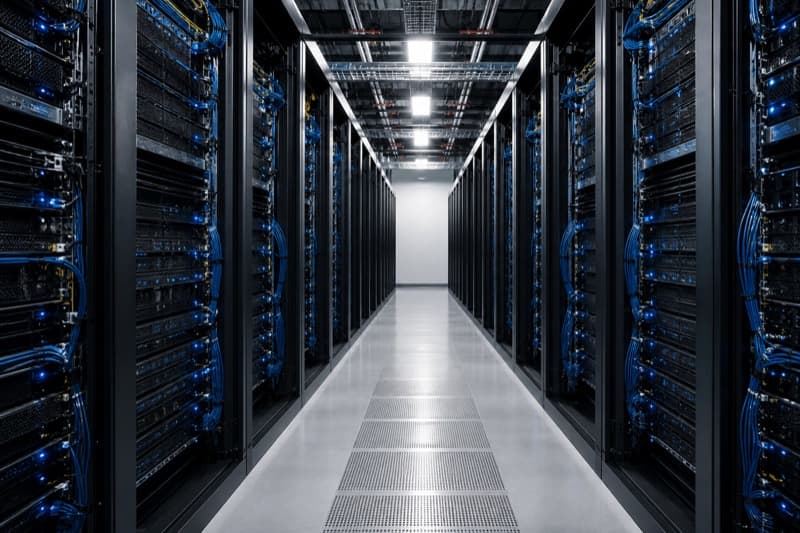
Data Centers
NLS Power supplies critical power equipment for Saudi data centres: modular and online UPS, battery and lithium systems, static transfer switches, LV and MV switchgear, standby generators, precision cooling and power quality equipment, specified around the redundancy topology the facility is designed to.
Data centre electrical design starts with a redundancy decision, and everything downstream follows from it. N+1 and 2N differ in far more than battery count. They change the number of UPS modules, the switchgear arrangement, the transfer scheme and the space the electrical rooms need. Making that call late is expensive.
Saudi Arabia is building data centre capacity quickly, driven by cloud investment and data residency requirements. The local conditions add their own pressure. High ambient temperatures affect both cooling design and equipment derating, so a UPS or transformer rated at an assumed 25 degrees needs checking against the real room condition. Precision cooling capacity has to hold at design day, not average day.
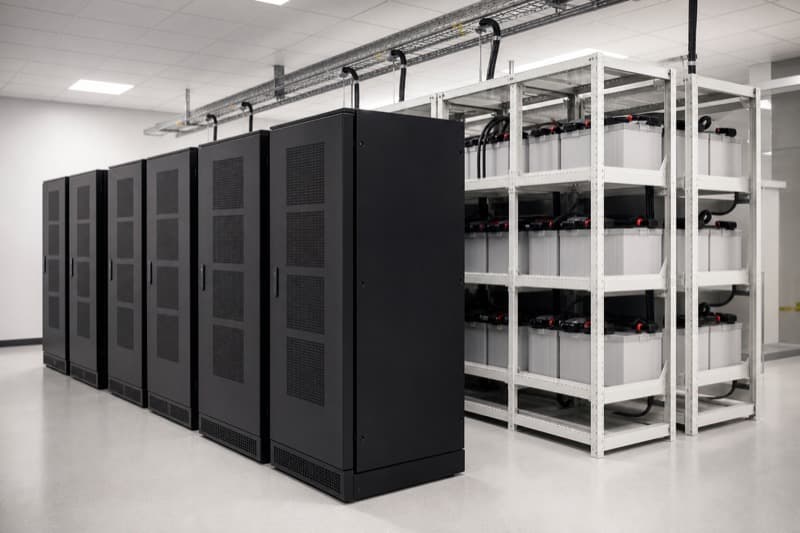
The critical power chain is where the specification detail sits. Online double conversion UPS protects against the full range of supply disturbances rather than just outages. Modular systems allow capacity to grow with the hall's occupancy instead of paying for full capacity on day one. Lithium batteries cost more up front and win on footprint, lifecycle and high temperature tolerance, which matters in this climate. Static transfer switches provide the automatic path between sources for dual corded equipment.
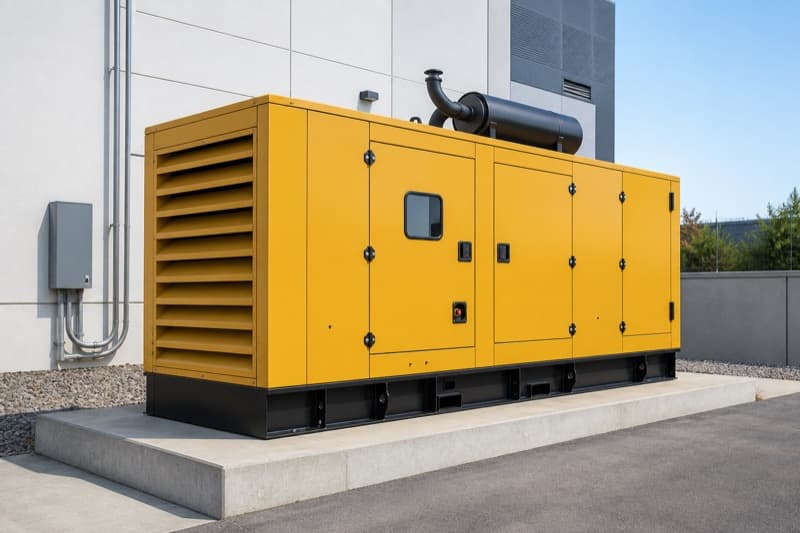
Generators cover the long outage, and the transfer timing has to be coordinated with UPS runtime so the batteries are sized for the real start and load acceptance sequence rather than a generic figure.
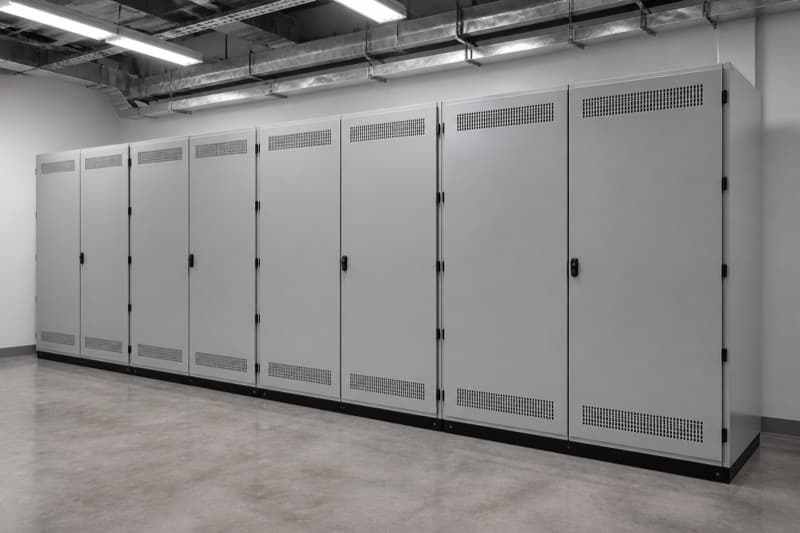
NLS Power supplies this whole chain from one desk: UPS and battery systems, switchgear and distribution, transformers and package substations, generators and transfer switching, precision cooling, harmonic filters and power factor correction, plus clean agent suppression for the electrical rooms.
Related services
Frequently Asked Questions
What is the difference between N+1 and 2N for UPS?+
N+1 adds one redundant module to the number needed, so a single module failure is covered. 2N duplicates the entire power path, so an entire system can fail or be maintained without risk. 2N costs more and needs more space, and the choice changes the switchgear design, not only the UPS count.
Are lithium batteries worth the extra cost in Saudi conditions?+
Often yes. Lithium tolerates higher ambient temperatures better than VRLA, occupies less floor space and lasts longer, which changes the lifecycle comparison even though the purchase price is higher.
Do you supply precision cooling as well as power equipment?+
Yes. Precision cooling units sit alongside the UPS, switchgear and generator scope on the same enquiry.