
EV Charging
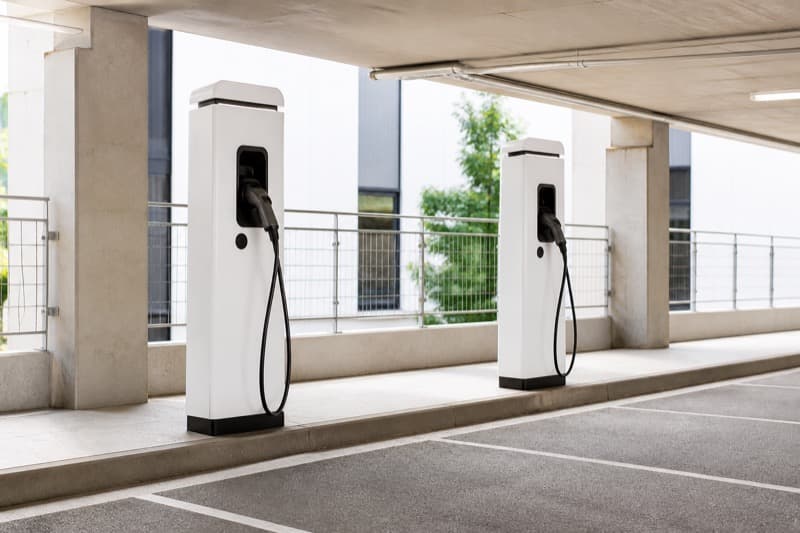
NLS Power sources and supplies EV charging equipment for Saudi projects: AC wallboxes, DC fast and ultra fast chargers, load management systems, OCPP management software, cable assemblies and fleet depot equipment, specified so the charging load does not force an upgrade of the incoming supply.
EV charging in Saudi Arabia has moved from pilot projects to a standard line item on commercial, hospitality and government developments, pushed by Vision 2030 targets and by tenants who now expect it.
The technical decision is usually simpler than it looks. AC wallboxes suit places where vehicles sit for hours: offices, hotels, residential compounds and long stay parking. DC fast chargers suit places where dwell time is short: retail, highway locations and fleet depots turning vehicles around. Ultra fast units serve highway and commercial charging hubs where throughput is the business model.
Connectors follow IEC 62196, with Type 2 for AC and CCS2 for DC being the practical default in this market, and back end communication runs over OCPP so hardware and management software are not locked to one vendor.
The real constraint is almost always the incoming supply. Six chargers at full rating can exceed the spare capacity of an existing building, and the instinctive answer is an expensive supply upgrade. Load management is usually the better answer: available capacity is shared dynamically across the chargers, so more units can be installed within the existing connection and vehicles still charge, just at a shared rate during peaks.
Cable routes and spare ways cost very little to provide during construction and a great deal to retrofit into a finished parking structure, which is the strongest argument for deciding this early.
NLS Power sources and supplies AC wallboxes, DC fast and ultra fast chargers, load management, management software, cable assemblies, fleet depot equipment and solar coupled charging.
Related products
Frequently Asked Questions
AC or DC chargers for a shopping mall?+
Mostly DC fast chargers, because dwell time is short and throughput matters. A few AC units suit staff and long stay bays, and the mix is decided by expected dwell time rather than by headline power.
Will adding chargers require a supply upgrade?+
Not necessarily. Load management shares the available capacity across the chargers dynamically, which usually allows several units within the existing connection instead of paying for a new supply.
What does OCPP compatibility give me?+
It keeps the hardware and the management platform independent, so chargers from different manufacturers can run on one back end and you are not locked into a single vendor's software.