Solar Mounting Structures
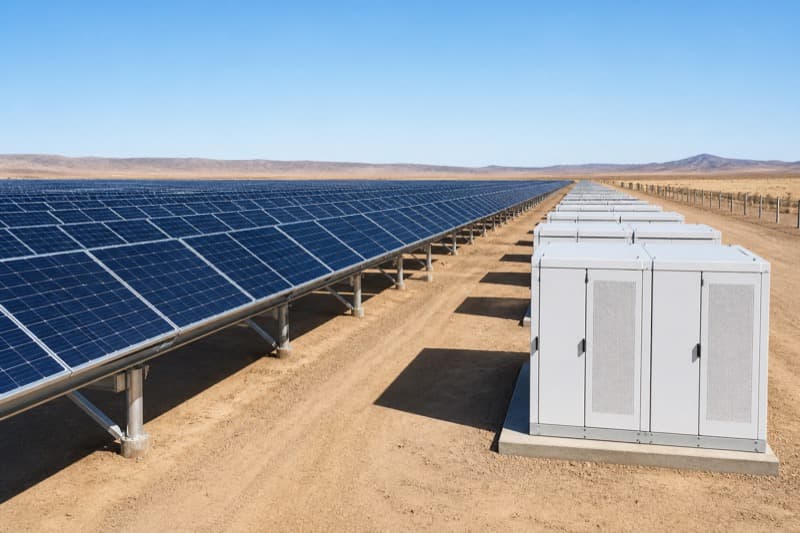
Solar mounting structures hold PV modules at a fixed or tracking tilt angle, anchored to a roof, ground foundation, or carport frame. NLS sources fixed-tilt and single-axis tracker mounting systems engineered for Saudi wind loading and corrosion resistance, for rooftop, ground-mount, and carport solar installations across the Kingdom.
A solar mounting structure carries two jobs at once: holding modules at the tilt angle that captures the most annual or seasonally-weighted energy, and surviving the wind and structural loads a Saudi site actually sees over a 20-plus year design life. Fixed-tilt structures set modules at one angle, typically close to the site's latitude for balanced year-round output, and cost less and carry fewer moving parts than a tracking system, which is why they remain the default choice on rooftop installations and many ground-mount plants where the extra energy yield from tracking doesn't clear the added cost and maintenance burden. Single-axis trackers rotate the module row through the day to follow the sun's east-west movement, adding a meaningful energy yield gain, commonly in the range utility-scale developers find worth the extra capital and moving-part maintenance on large ground-mount plants, though the gain and its economics depend on the specific site and system size.
Wind loading is the structural design driver most likely to be underestimated on a Saudi mounting structure, particularly on open desert or coastal sites with long unobstructed fetch where design wind speeds run higher than a suburban or urban rooftop context. A structure sized against a generic wind load table rather than the actual site's wind speed and terrain category risks either an under-designed structure or an over-conservative, needlessly expensive one; either way, the structural engineer needs the actual site wind data, not an assumed default. Corrosion resistance is the second major design factor: hot-dip galvanized steel or aluminum extrusion are the standard material choices, and coastal Saudi sites near the Gulf or Red Sea need a corrosion allowance and coating specification a step above what an inland desert site requires, given the combined effect of salt-laden air and high humidity cycling.
Rooftop mounting adds its own constraints: the roof's structural load capacity, waterproofing penetration method (ballasted, mechanically fastened, or a hybrid), and the roof's own age and remaining service life all factor into whether a given rooftop can safely carry the additional dead and wind load a PV array introduces, a check that needs a structural review of the specific building, going beyond module and rack weight in isolation. Carport structures, increasingly used on Saudi commercial and institutional sites to combine shaded parking with solar generation, carry vehicle clearance height and impact protection as additional design inputs beyond the wind and PV loading any ground-mount structure handles.
Sourcing runs from a site layout and structural wind data. A project team sends site location, ground or rooftop condition, array layout, and available structural or geotechnical data, and NLS returns mounting structure selection, fixed-tilt or tracker, and a priced quote in USD, with lead time set by structure type and total array area.
Specifications
- ✓Types: fixed-tilt (roof or ground) and single-axis tracker (ground-mount, utility-scale)
- ✓Material: hot-dip galvanized steel or aluminum extrusion, with elevated corrosion allowance for coastal sites
- ✓Structural design driven by site-specific wind speed and terrain category, not a generic wind load default
- ✓Rooftop configurations: ballasted, mechanically fastened, or hybrid penetration methods per roof condition
- ✓Carport configurations include vehicle clearance height and impact protection as design inputs
- ✓Standards referenced: applicable structural steel and wind-load design codes per project engineering spec
Frequently Asked Questions
Who supplies solar mounting structures in Saudi Arabia?+
NLS sources fixed-tilt and single-axis tracker mounting structures engineered against site-specific wind loading and corrosion conditions, for rooftop, ground-mount, and carport solar installations across Saudi Arabia.
Why does wind loading matter more on a Saudi solar mounting structure?+
Open desert and coastal sites with long unobstructed fetch see higher design wind speeds than a typical suburban rooftop, and a structure sized against a generic wind table instead of actual site data risks being either under-designed or needlessly over-built.
What lead time should I expect for solar mounting structures in KSA?+
Lead time depends on structure type (fixed-tilt versus tracker) and total array area. NLS confirms the figure once the site layout and structural wind data are set.
Who supplies Solar Mounting Structures in Saudi Arabia?+
NLS Power (Northlane Solutions Company) supplies Solar Mounting Structures across Saudi Arabia, including Riyadh, Jeddah, Dammam and Jubail. Send your specification and quantities to info@nlspower.com or info@northlanesolution.com for a quotation.