Solar PV Modules
Solar PV modules convert sunlight directly into DC electricity through semiconductor cells wired into a weatherproof panel. NLS sources monocrystalline and polycrystalline PV modules certified to IEC 61215 and IEC 61730, rated for the high irradiance and soiling conditions of Saudi sites, for utility, commercial rooftop, and off-grid solar projects across the Kingdom.
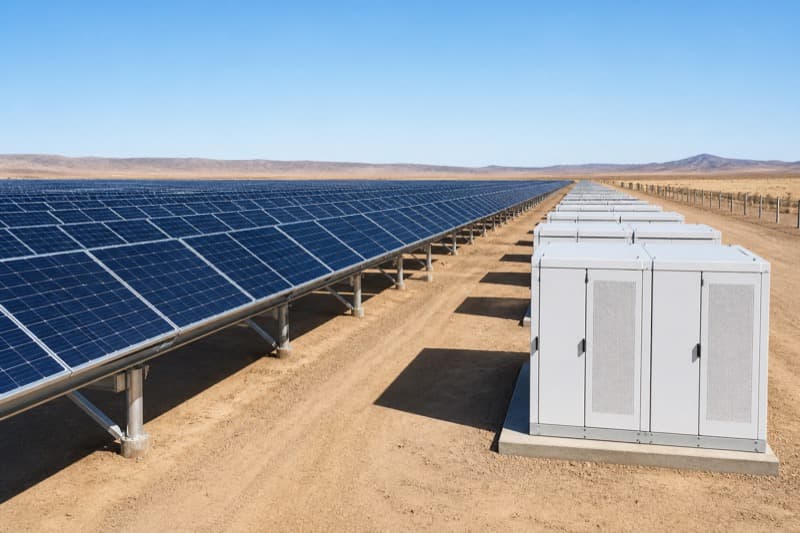
A solar PV module wires a string of silicon photovoltaic cells in series and parallel behind tempered glass and a polymer backsheet, sealed into an aluminum frame that carries the mechanical load path for mounting. Monocrystalline cells, cut from a single silicon crystal, run a slightly higher efficiency per square meter than polycrystalline cells cut from multiple crystal fragments, which matters more on space-constrained rooftops than on open ground-mount utility sites where land area is rarely the binding constraint. Module output is rated in watts peak (Wp) under Standard Test Conditions, a lab reference of 25°C cell temperature and 1000 W/m² irradiance that a Saudi installation rarely sees in operation.
Saudi Arabia's solar resource is genuinely high, among the best in the world for direct normal irradiance, but two site realities cut into that theoretical output. First, cell temperature: PV output drops as cell temperature rises above the 25°C rating point, and a module surface in direct Saudi summer sun can run 40-50°C above ambient air temperature, which means actual output at 2pm on a July afternoon sits meaningfully below the nameplate Wp figure even though irradiance itself is at its peak. Second, soiling: dust accumulation on the module surface blocks a portion of incoming light, and without a cleaning cycle, soiling losses in Saudi desert conditions can run into double-digit percentage points within weeks, which is why a realistic energy yield model always applies a soiling loss factor tied to the site's actual dust environment and planned cleaning frequency, not the clean-panel nameplate rating.
NLS sources monocrystalline and polycrystalline PV modules certified to IEC 61215 (design qualification and type approval) and IEC 61730 (safety qualification), the two reference standards a module needs to meet before a project bankability review or an EPC contractor's technical spec will accept it. Module wattage classes commonly run from under 400Wp residential-scale panels up to 600Wp-plus bifacial modules used on utility-scale ground-mount arrays, and NLS scopes the specific class, cell technology, and frame/glass configuration against the project's mounting structure and inverter string design.
Sourcing runs from a system design or a target capacity figure. A project team sends target DC capacity in kWp or MWp, roof or ground-mount constraints, and any specific cell technology or bifacial requirement, and NLS returns module selection and a priced quote in USD, with lead time set by order volume and whether the specific wattage class is standard manufacturer stock or a made-to-order production run.
Specifications
- ✓Cell technology: monocrystalline (higher efficiency per m²) or polycrystalline, mono/bifacial configurations
- ✓Standards referenced: IEC 61215 (design qualification), IEC 61730 (safety qualification)
- ✓Power classes commonly 400Wp to 600Wp+ per module depending on cell size and technology
- ✓Rated output at Standard Test Conditions (25°C, 1000 W/m²); actual field output derated for cell temperature and soiling
- ✓Frame: anodized aluminum, tempered glass front sheet, polymer or glass backsheet
- ✓Cleaning cycle frequency recommended based on site dust loading to manage soiling losses
Frequently Asked Questions
Who supplies solar PV modules in Saudi Arabia?+
NLS sources monocrystalline and polycrystalline PV modules certified to IEC 61215 and IEC 61730, in wattage classes suited to residential, commercial rooftop, and utility-scale ground-mount projects across Saudi Arabia.
How much do soiling losses affect solar output in Saudi Arabia?+
Dust accumulation on module surfaces can cut output by a meaningful, often double-digit, percentage within weeks without a cleaning cycle, so a realistic yield estimate always factors in a soiling loss tied to the site's dust environment and cleaning frequency rather than the clean-panel nameplate rating.
What lead time should I expect for a solar PV module order in KSA?+
Lead time depends on order volume and whether the specific wattage class and cell technology are standard manufacturer stock or a made-to-order production run. NLS confirms the figure once the target capacity and module specification are set.
Who supplies Solar PV Modules in Saudi Arabia?+
NLS Power (Northlane Solutions Company) supplies Solar PV Modules across Saudi Arabia, including Riyadh, Jeddah, Dammam and Jubail. Send your specification and quantities to info@nlspower.com or info@northlanesolution.com for a quotation.